

International Transgender Day of Visibility and the Experience of Transgender Individuals in STEM
This week’s newsletter will focus on International Transgender Day of Visibility, which is happening this Friday – March 31st. It will discuss the progress yet to be made in establishing an equal footing for trans people in STEM, and how our STEAM in AI program functions as a safe space for people of all gender identities to explore STEAM.
International Transgender Day of Visibility is a day dedicated to celebrating the transgender and non-binary community and raising awareness of the challenges and issues faced by transgender and non-binary individuals around the world.
Since being founded in 2009 by Rachel Crandall, International Transgender Day of Visibility has become recognised worldwide, and has served as a marked occasion to increase the visibility of trans and non-binary people and to create an opportunity for allies to learn more about what they can do to stand in solidarity with the community.
There is no doubt that the trans and non-binary communities have faced, and still face, discrimination in all areas of life, and that is why this day is so important – to ensure understanding of trans people’s lived experiences and encourage action be taken by everyone to secure their rights.
The experience of the transgender community in the world of STEM is unfortunately not any more positive than in other areas of society.
Although there have been many recognized successes for trans people in STEM – such as Dr. Ben Barres – a neurobiologist who made valuable advances in the field whilst advocating for trans rights and visibility in science, or Angelica Ross – an actress and transgender rights activist who founded TransTech Social Enterprises which provides job training and support for transgender individuals in tech, the inequality and discrimination faced by the community is still all too clear.
For example, research has shown that “…transgender and gender non-conforming students continue in STEM majors at a rate roughly 10% lower than their cisgender peers.”
Part of the reason for this is that trans and non binary people often face systemic and discriminatory barriers in accessing education and in regard to employment opportunities.
Amongst many other complex and often interwoven issues, a lack of access to healthcare, legal protections in the workplace, and necessary training also play a part in statistics such as these.
Whilst we cannot break down all the barriers facing trans and non-binary people in STEM, we hope that with through our STEAM in AI program, we can at least do our part to provide a stepping stone into the world of STEAM that is accessible to everyone, no matter their gender identity.
Our STEAM in AI program partners high school students with a mentor who is either a Data/AI professional or a PhD/ Masters student working in STEAM who will guide them through a research project or a project to build an AI application, a website, or a Data Dashboard in a wide range of fields.
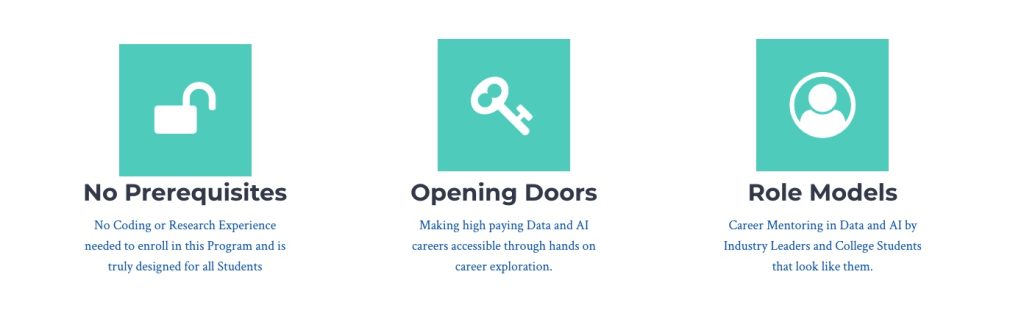
We hope that this program, and the accessibility to education for all that it provides, can help make STEM a more equitable place for everyone.
If this sounds like something you or someone you know would be interested in or might benefit from, check out the rest of our website or visit the consultation page to meet and talk with the founder of DataEthics4All Foundation, and the STEAM in AI program, Shilpi.
Frequently Asked Questions
International Transgender Day of Visibility is observed annually on March 31 to celebrate transgender people and raise awareness of the discrimination they face worldwide. It focuses on celebrating achievements and contributions of transgender individuals across all fields, including STEM, while highlighting the ongoing work needed for full inclusion and equity.
Diversity and inclusion in STEM fields drive innovation by bringing varied perspectives to problem-solving. When teams include people from different backgrounds, identities, and experiences, they produce more creative solutions and avoid blind spots in research and product development. Inclusive STEM environments also ensure that technology serves all communities equitably.
STEM programs can create inclusive environments by offering personalized mentorship that meets each student where they are, using ethics-first curricula that explore how technology impacts diverse communities, and ensuring representation in mentorship and leadership. Programs like STEAM in AI personalize each student’s AI project based on their individual interests and goals, creating a welcoming space for every learner.
Ethics is fundamental to responsible AI education. Students need to understand how AI systems can reflect or amplify societal biases, and how to design technology that serves all communities fairly. Programs with ethics-first approaches, like STEAM in AI, teach students to consider the human impact of their projects alongside technical skills.
Students from underrepresented groups can explore AI and STEM through mentorship programs that provide personalized guidance and supportive learning environments. Programs like STEAM in AI offer 1:1 mentorship from experts at Stanford, MIT, OpenAI, and ISEF Grand Judges, personalizing each project to the student’s skills, interests, and career goals regardless of prior experience.


International Women's Day and the need for equity in STEM

National Robotics Week and Inspiring Children to Explore STEM


